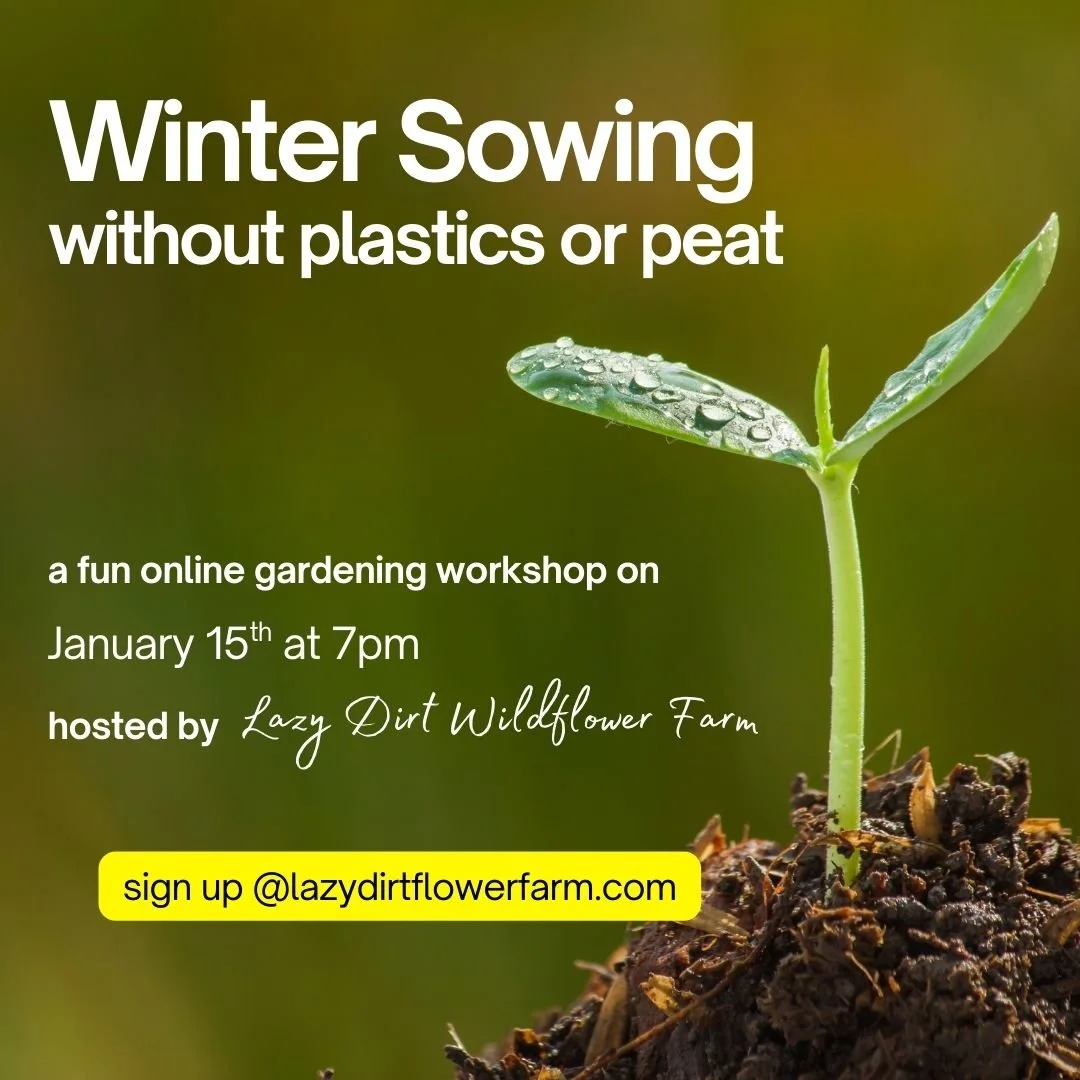
January on the Farm: a Tale of Snow, Seed Sowing and Tea.
In this post I’m sharing all about Winter here on the farm:
How to use January as the middle instead of beginning of the year
The power of Wintering as a true rest
Behind the scenes peek at my seed sowing practice
Let’s jump in…
At Lazy Dirt Wildflower Farm, January is the middle of my farm’s year.
It’s a time of rest and preparation following Nature’s rhythms to slowly flow into Spring.
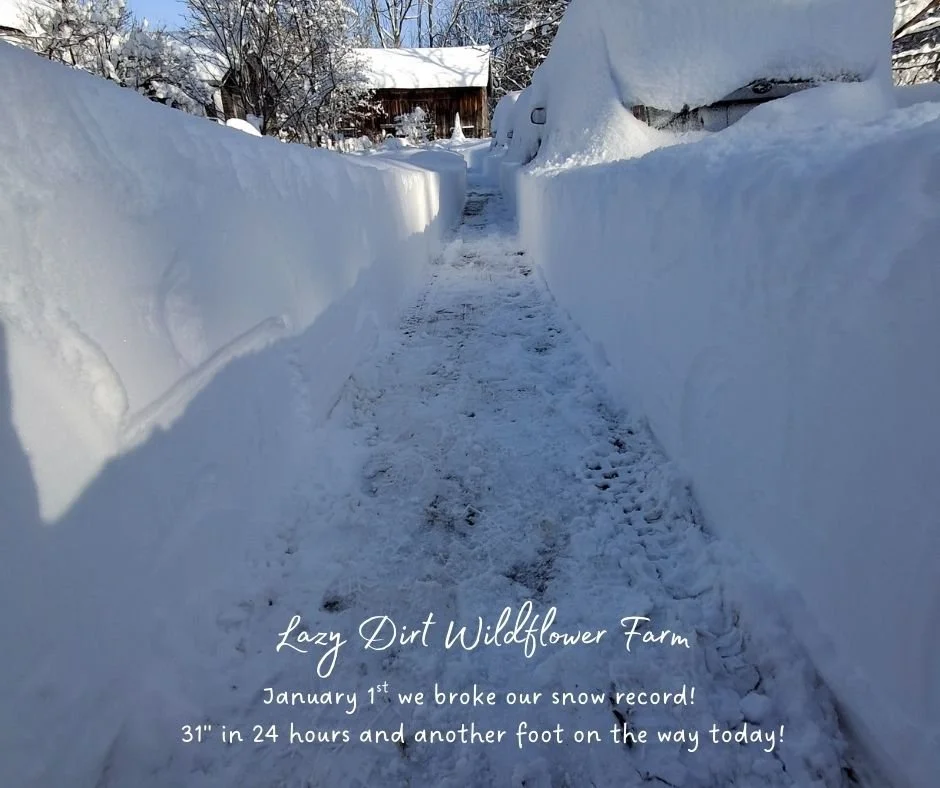
What does this flower farmer do in between snowblowing & shoveling lake effect snow?
She reads, naps and drinks tea all day!
Seriously, I do this more in January than any other month. This year even more so.
Back in July/August 2025, record breaking heat, biting deerflies, and fighting to keep plants alive in 10+ weeks of drought I decided that January was going to be extra special this year!
More rest. More Tea. No more resolutions and rushing into the year either.
I do take a daily walk only if it’s above 25 degrees which of course is just another excuse for more tea and gardening books by the woodstove. Ha-ha!
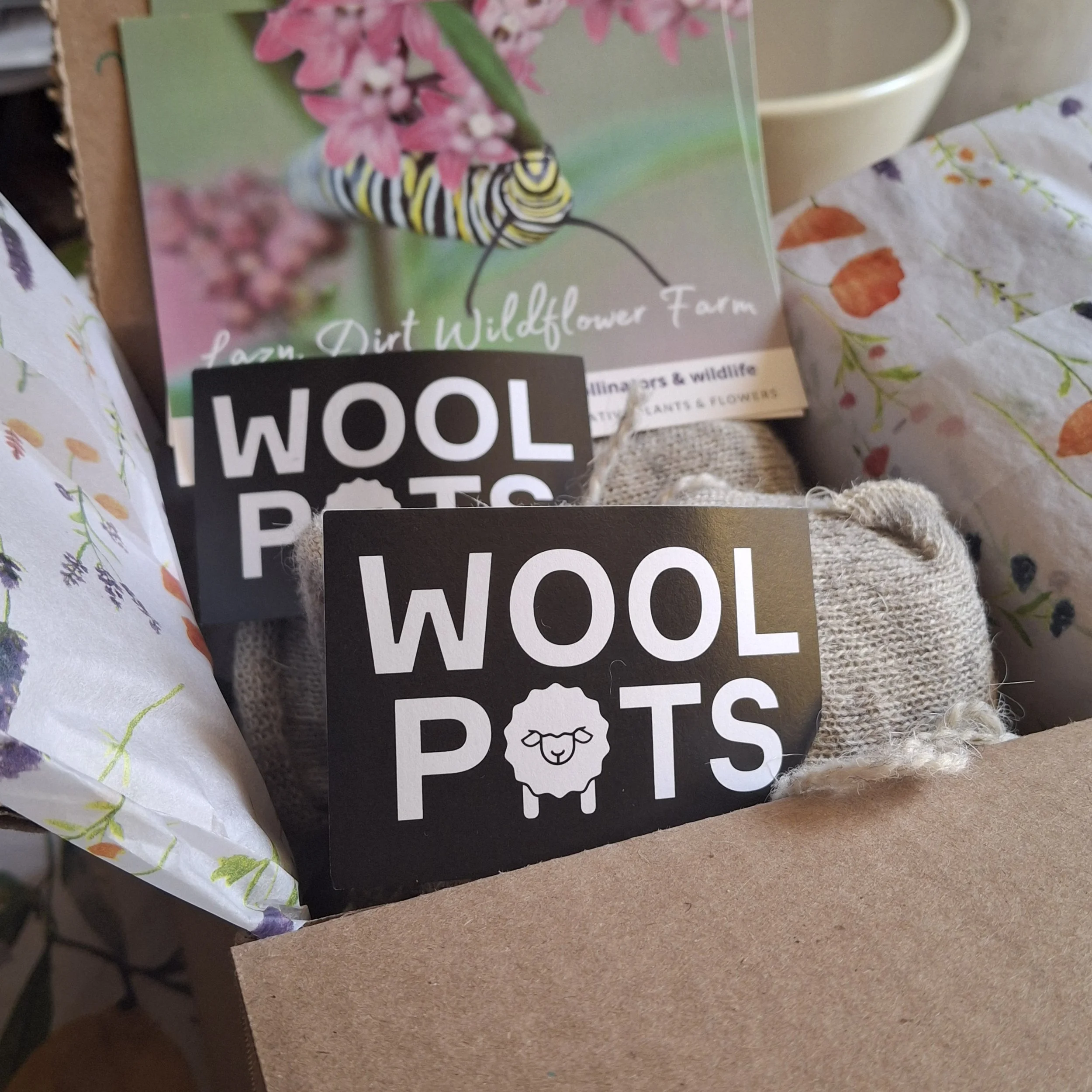
During the cold days of January, I sip tea while painting colorful abstracts of flowers and Lake Ontario. And I love helping other gardeners reduce plastic in their gardens by sending home Wool Pots to happy gardeners!

Plus I putter with home repair projects like cleaning the dryer duct that honestly will never get done Spring thru Autumn.
Hey when the pollinators and birds are calling in the garden who am I to refuse playing outside with them in Spring, Summer and Autumn!
Trying to do more but less in January is my way to NOT do “all the things”
There seems to be so much pressure in January for us all to ‘refresh’ ‘reset and go, go, GO. The ‘busyness’ rushes us headlong into the next season's abundance especially gardeners taken into Spring fever by seed and plant catalogs.
Spring ahead???
Now I’m going to be honest with you dear Reader. As someone with a native plant nursery and flower farm– I work very hard to be THREE SEASONS ahead on what will be growing and happening on my farm.
There is a PLAN. Imperfectly perfect as it is but it is all there on paper. Details of seeds to sow, plants to divide, weekly harvesting of plants and flowers not to mention wildlife gardening workshops and classes!
But all of that work was done in … wait for it……JULY!!!
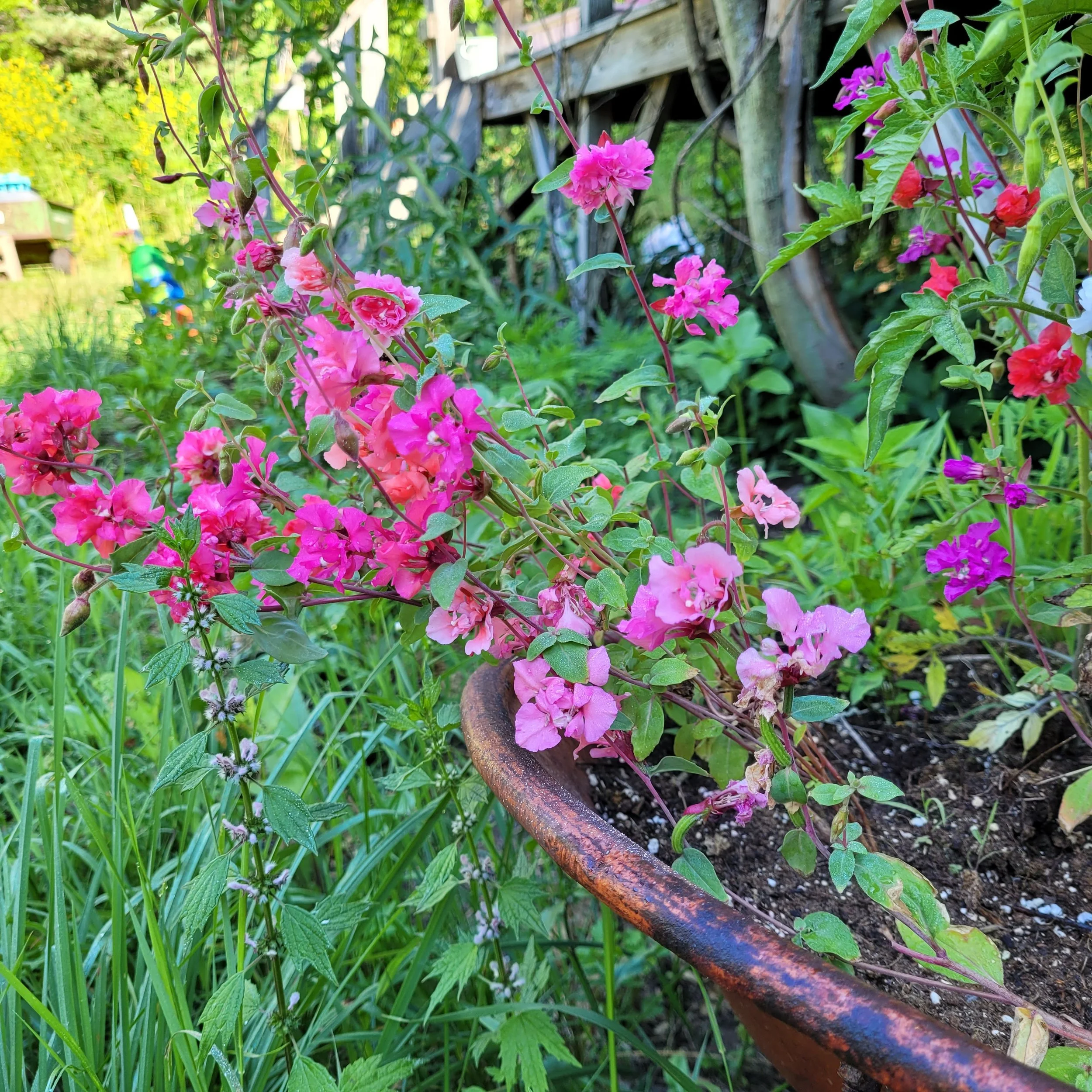
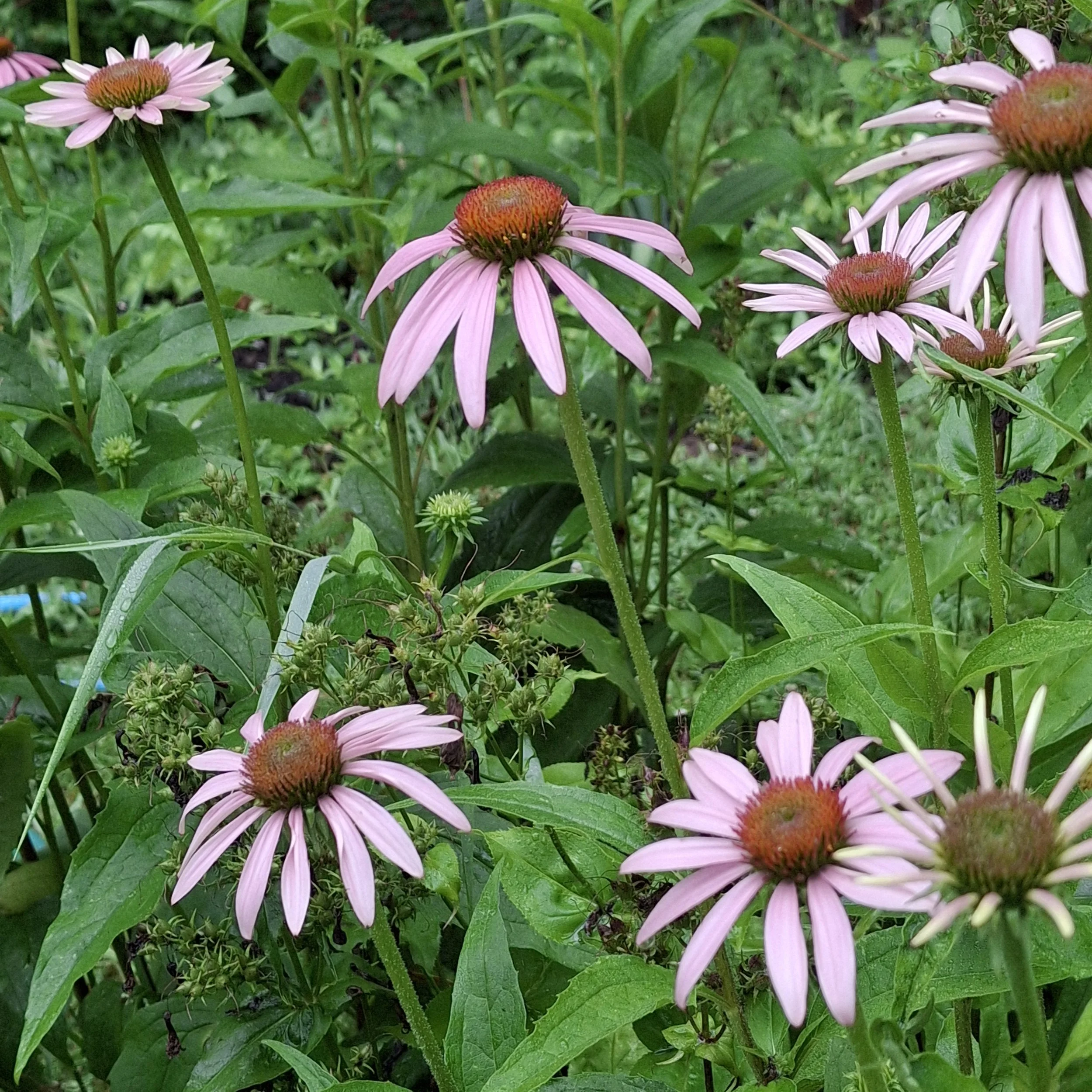
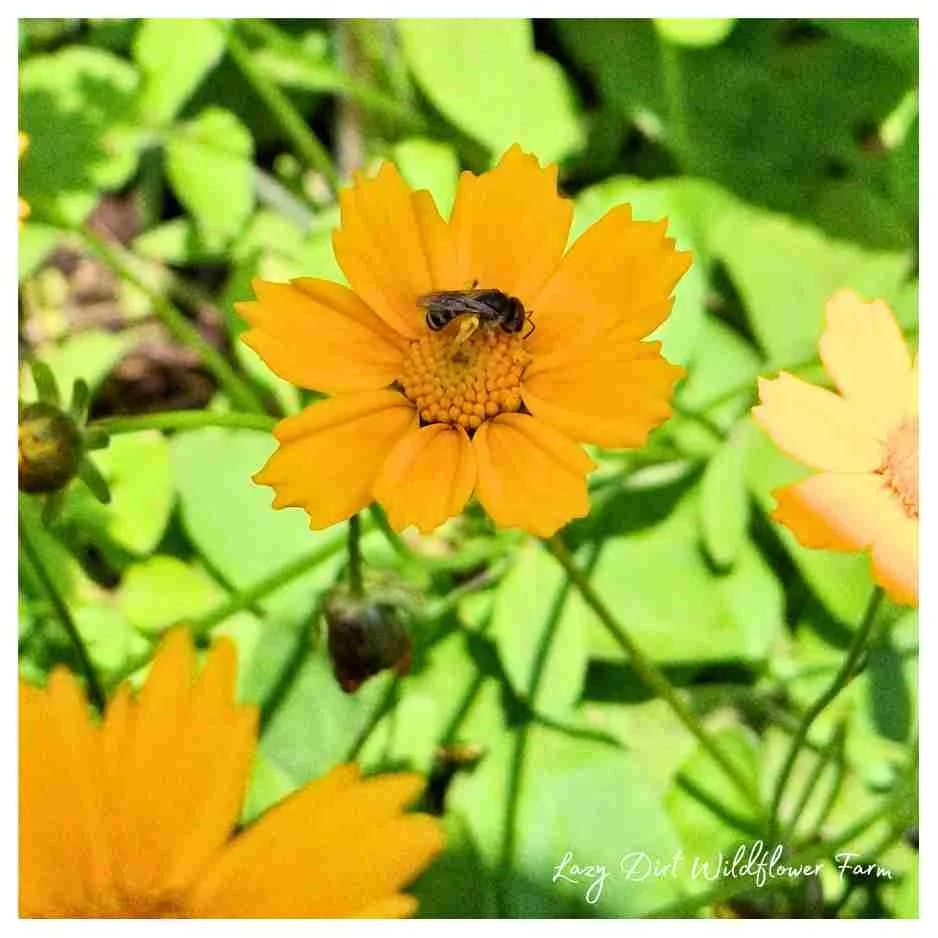
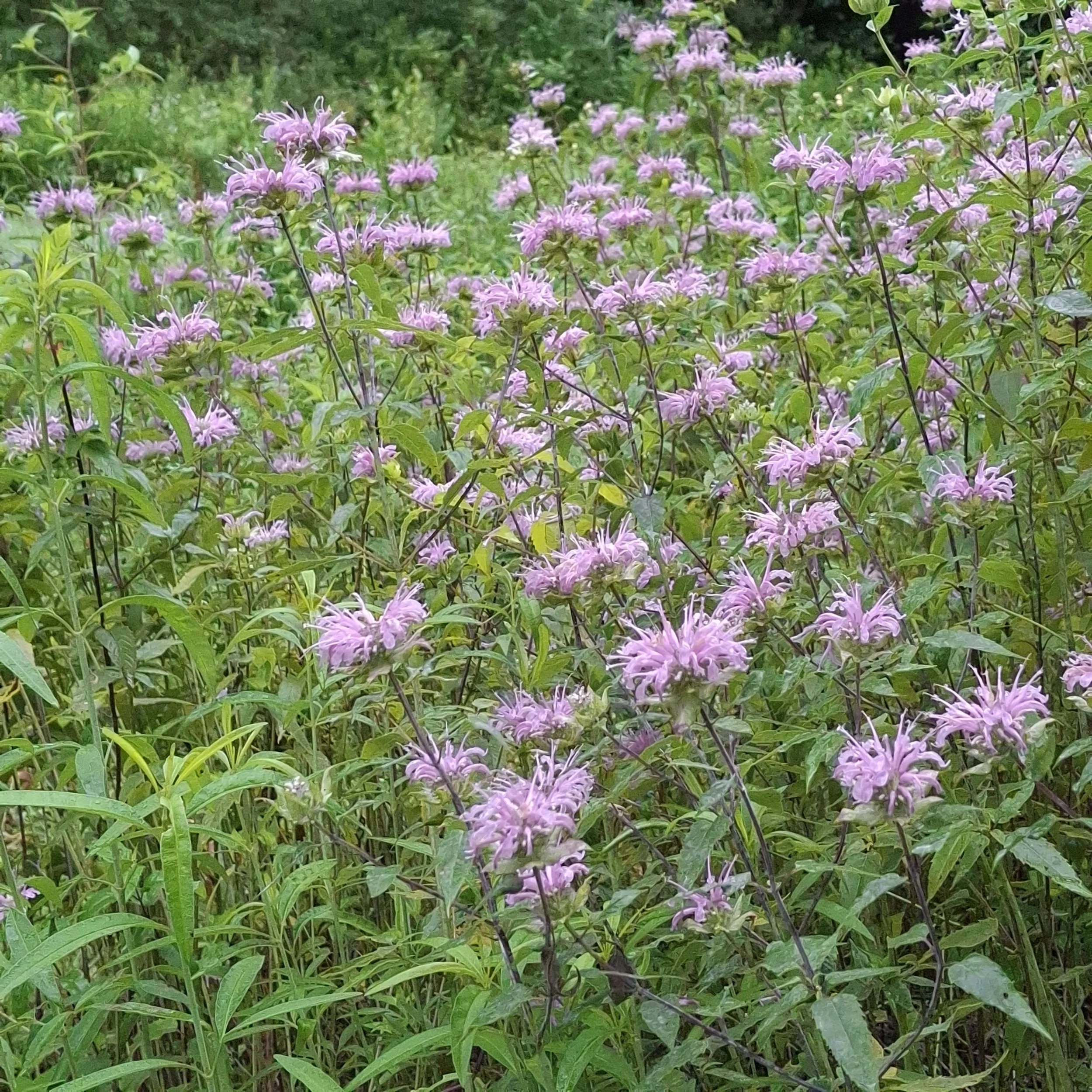
That’s right. On hot Summer afternoons I sit in the shade (at tea time of course) planning the next year's gardening and farming!
It’s absolutely delightful. Sipping iced tea with paper and pencil in hand. I set out to determine what and how I will grow not only for the farm but also my own private gardens the following year! I also think about farm happenings too.
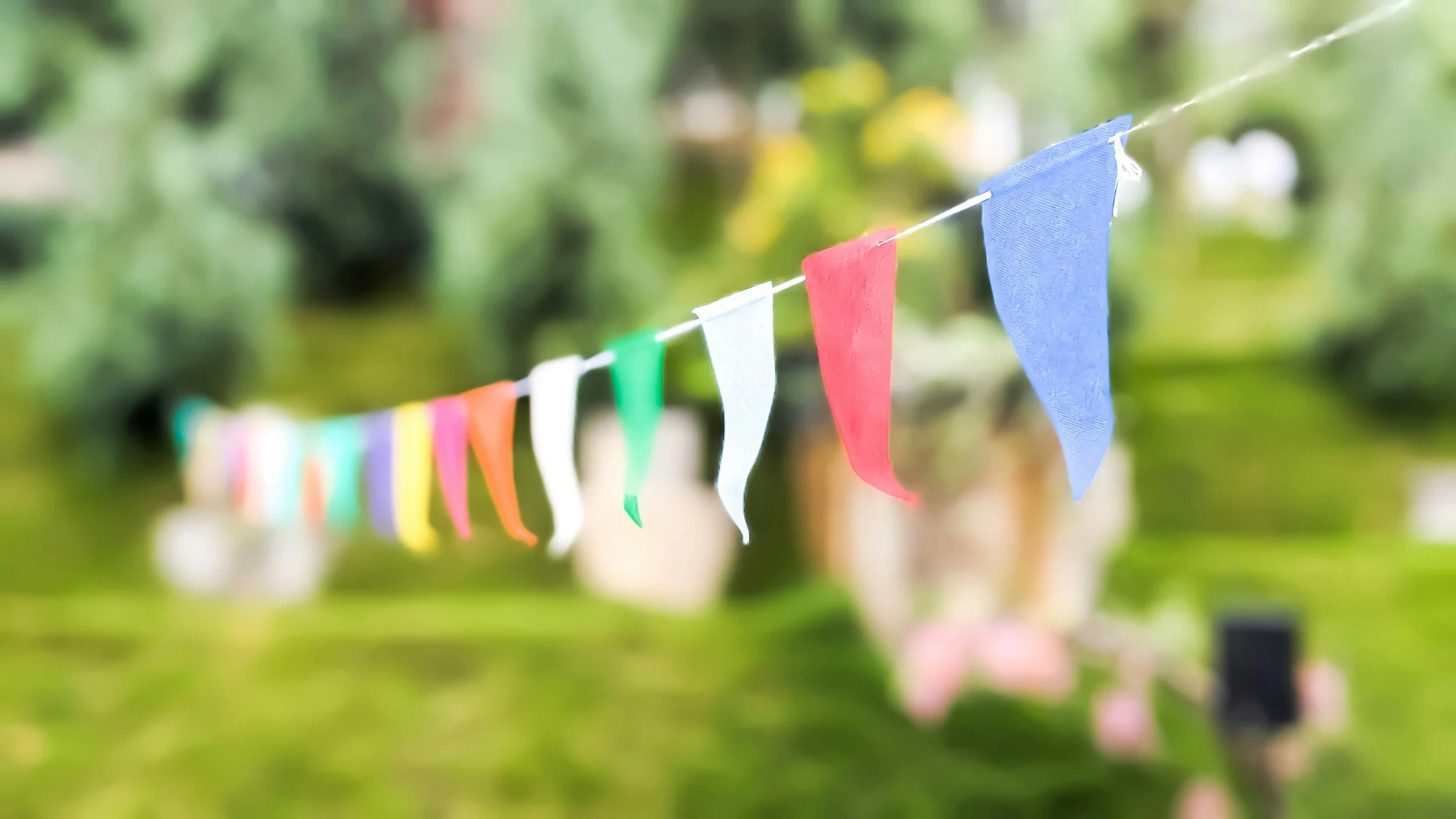
Why, I even added hosting more garden parties & workshops
If you’ve been to the farm you know LOTS of pretty cotton bunting, tea & treats will be involved!
For the farm, I also plan in July my sowing, planting and harvesting calendar.
What’s the best part of July as the ‘reset’ & resolution month?
When the pressure is on in January to rush, rush, rush I simply follow Nature’s cues.
In Winter, dormant plants rest in the soil under 4’ of snow, shifting water and sugars through their cells to nourish them until Spring. They are alive yet quietly gathering strength for next season's growth.
For me, January is a time to let ideas and energy slowly develop on their own. Enjoying the beauty of Winter at a slower pace to let my spirit gather strength for the abundance and busy hum of activity in the coming seasns.
I try to keep things simple in January. I try not to jump into the hoopla of making resolutions, big decisions, nor life changes I know I just won’t keep. Rest and reset that’s my Winter motto!
But January is also when… SEED SOWING BEGINS!
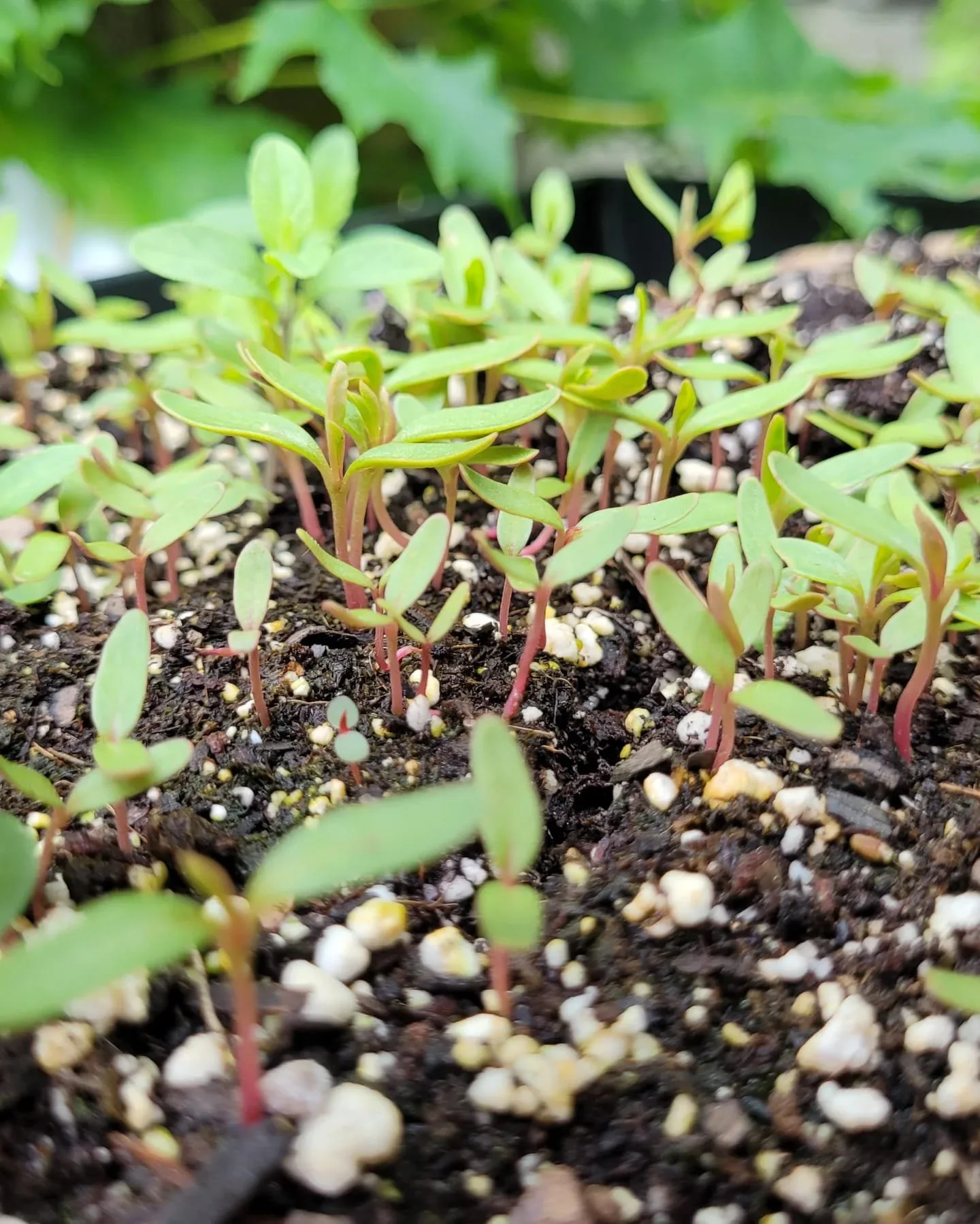
And oh what a wonderful thing! It’s my favorite indoor Winter activity that lasts until JULY!
But Winter seed sowing has a special place in my heart!
While I’m playing with seeds, I listen to my favorite tunes, sip lots of tea of course. All the while enjoying the birds outside my window foraging and feasting at my bird feeders on cold Winter days.
Wrapped in the warmth of my art room turned grow room, I quietly sow the seeds of hundreds and hundreds of plants
My seed sowing begins with cleaning the seed heads outside in early January– any reason to get outdoors is a good thing in January!
Cleaning the seeds…
First, I winnow seed heads that I’ve harvested the previous year. * Winnowing is simply removing the chafe from the seeds.
To winnow seed heads:
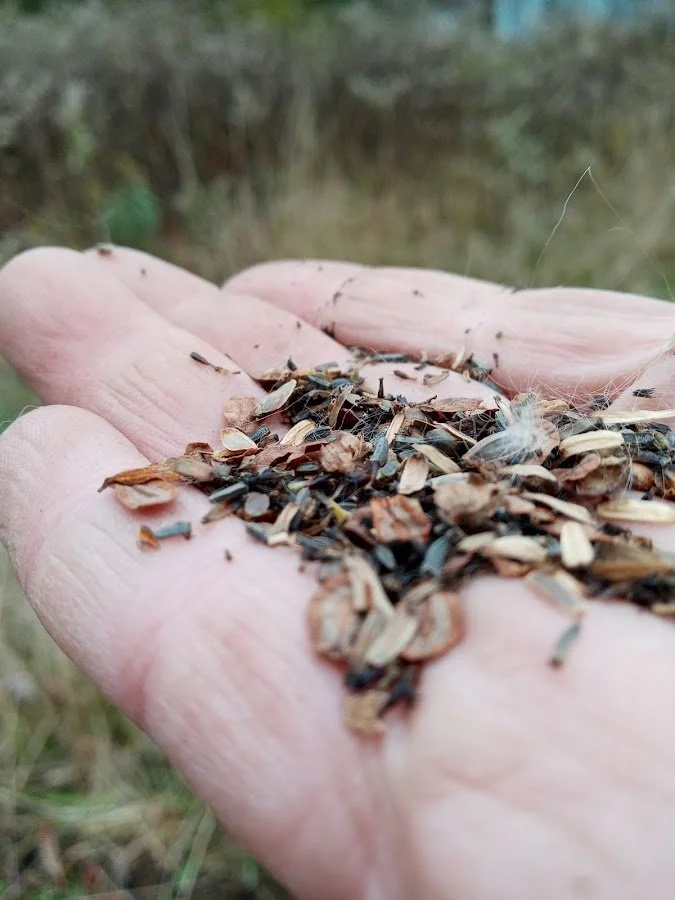
First I place the dried seed heads into a pot with a lid and a golf ball or quarter.
Gently I shake the pot for about 2-3 minutes until all of the seeds are separated from the stem.
Then I place the ‘seed’ into a tall sided bowl, taken outside where the wind or I gently blow the chafe from the seeds.
Then the precious seeds are carefully placed into small jars, labeled and dated directly on the lids.
What happens next to the seeds?
Some are soil blocked or sown in Wool Pots in January thru April to grow into seedlings for early Spring planting.
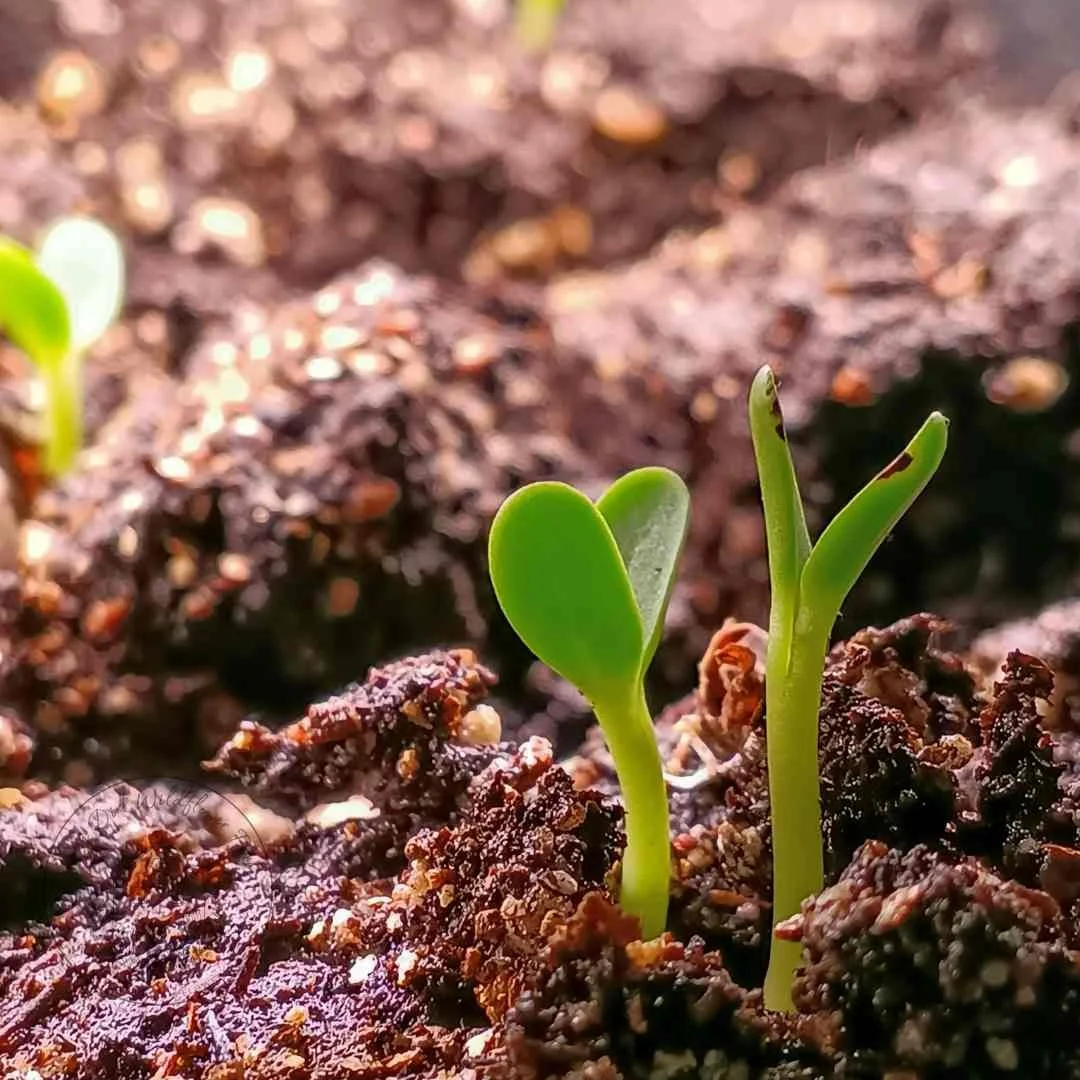
Others like Anise Hyssop (Agastache foeniculum) need cold moist stratification. They are “Winter Sown’.
Winter Sowing? Isn’t that with plastic trays & jugs?
Yes- that maybe how other gardeners and farmers ‘winter sow’. It’s very popular I know. However, my farm grows plants without plastics and peat.
The popularity of seed sowing jugs and trays is the idea that the gardener is creating a ‘mini-greenhouse’ for germination of the seeds.
However… Winter sowing is not about germination!
It’s about COLD MOIST STRATIFICATION of the seed. This stratification softens the shell and is Nature’s way of developing the seed embryo at the cellular level for germination and future growth.
So instead of plastic trays & domes or milk jugs as mini greenhouses I simply use glass jars.
GASP! And recycled ones too!
Once cleaned any seeds that need cold moist stratification are placed into jars of damp vermiculite.
Then they are sent to chill out in my refrigerator and unheated garage.
In March thru July they will be sown in soil blocks or Wool Pots to grow into healthy plants for the field and your garden!

See there’s no need to fuss about with plastic jugs or expensive trays and pots either!
* NOTE: not ALL SEEDS NEED COLD STRATIFICATION!

Warm season annuals like Zinnias, Basil and Tomatoes will simply rot if ‘winter sown’.
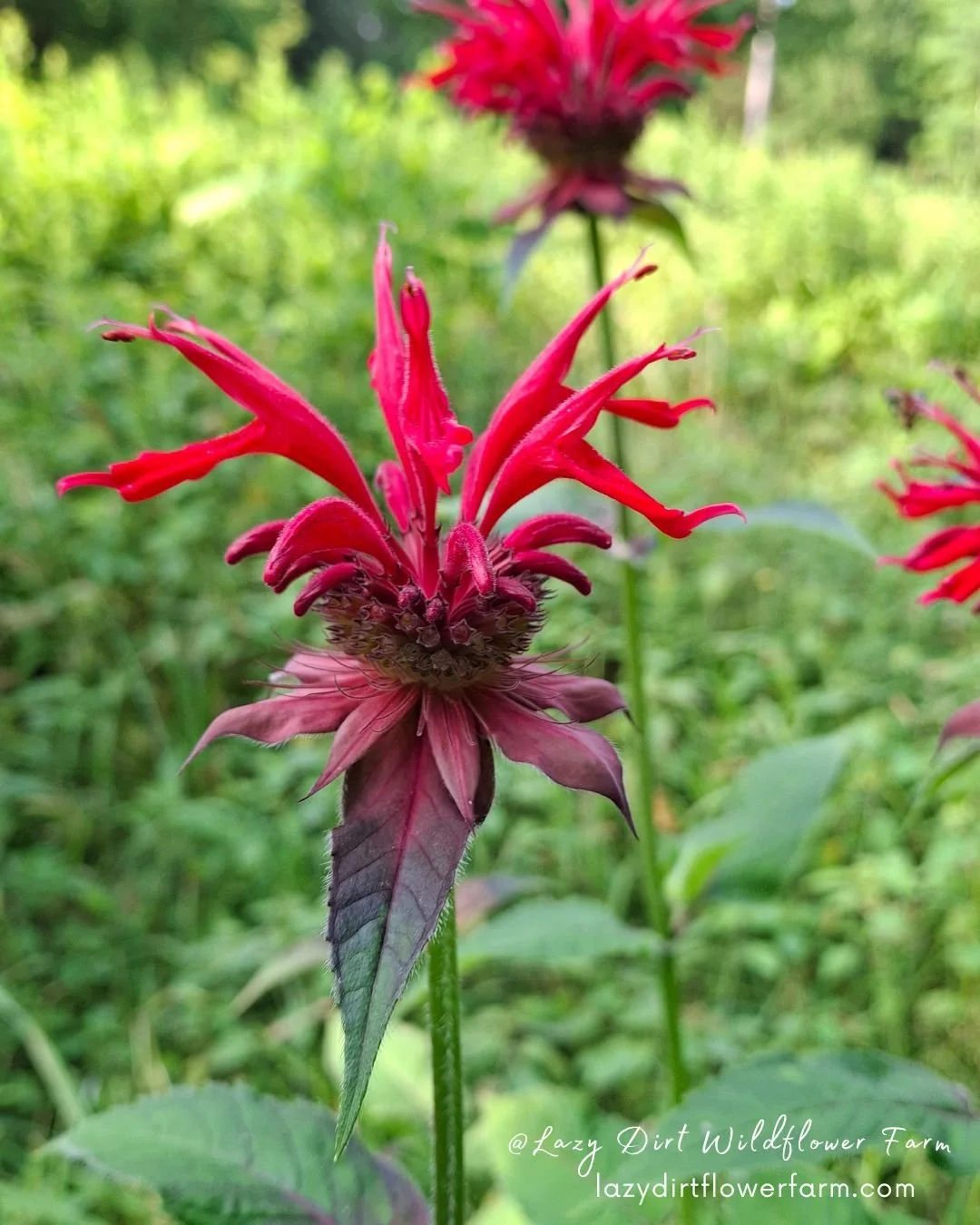
Some native seeds like Monarda also don’t need cold stratification.
Many times Nature sows these seeds in Summer directly into your garden!
There they grow as tiny plants thru the Autumn. Then in Winter they are dormant waiting to grow into strong plants with blooms next Summer!
And that dear Reader is how I spend the 30 days of January!
Quietly enjoying my family and home. Resting up for the coming year’s abundance of joy, friends, wildlife and gardening fun.
I also LOVE connecting with other gardeners and naturalist in workshops here at the farm and elsewhere.
However you spend your first months of 2026…
I hope they are filled with learning new things, JOY, and friendship. And maybe we’ll see each other in one of these fabulous online workshops to learn more about gardening for wildlife!